
How to build a maritime communications plan around SMM Hamburg, Nor-Shipping or Hong Kong Maritime Week
Maritime events create attention. The companies that stand out know how to turn that attention into visibility that reaches far beyond the exhibition floor.
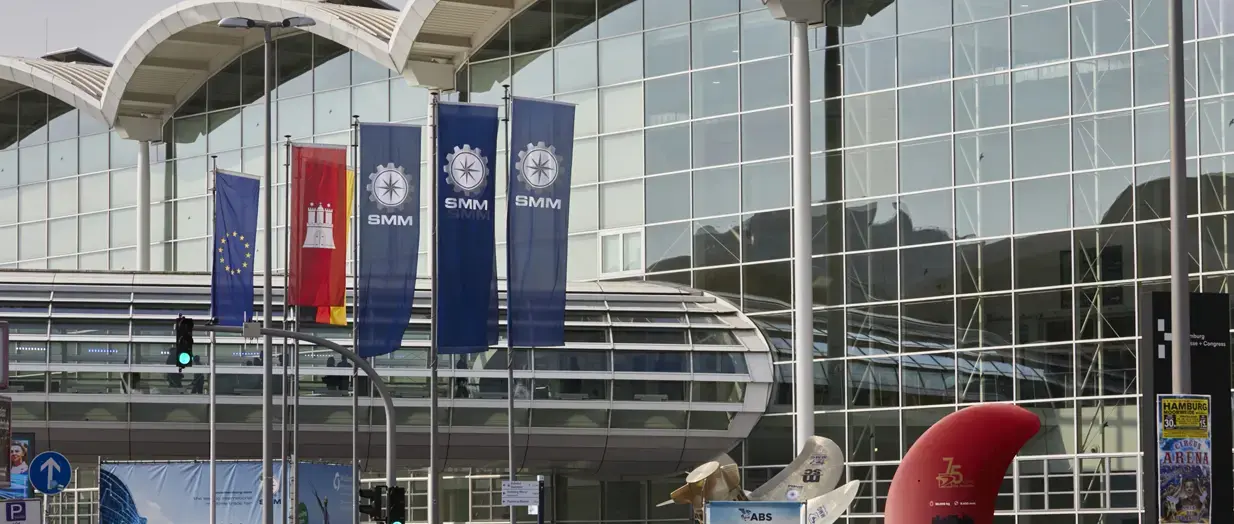
Every year, maritime companies invest serious money in events such as Nor-Shipping, Posidonia, SMM Hamburg and Singapore Maritime Week. Stands are designed, flights are booked and meeting schedules are filled weeks before departure. Significant budgets are allocated to ensure that the right people are present in the right place at the right time. And rightly so.
These events remain some of the most important gatherings in our industry. They bring together shipowners, charterers, technology providers, ports, suppliers and service companies from around the world. For a few days, the maritime industry gathers in one place. Conversations take place that would otherwise require months of travel. Partnerships are discussed over coffee. New opportunities emerge between scheduled meetings. In many ways, these events remain the beating heart of the shipping industry.
Yet after attending maritime events for many years, I’ve come to realise that the companies generating the most visibility are not always the companies with the biggest stand or the busiest agenda. More often, they are the companies with the strongest story and a clear plan for sharing it.
That story may be a successful customer project, a new partnership, an innovative technology or a fresh perspective on a challenge facing the industry. Whatever the story is, they don’t start thinking about it when the event begins. They start preparing long before they board the plane. More importantly, they continue telling that story after everyone else has gone home.
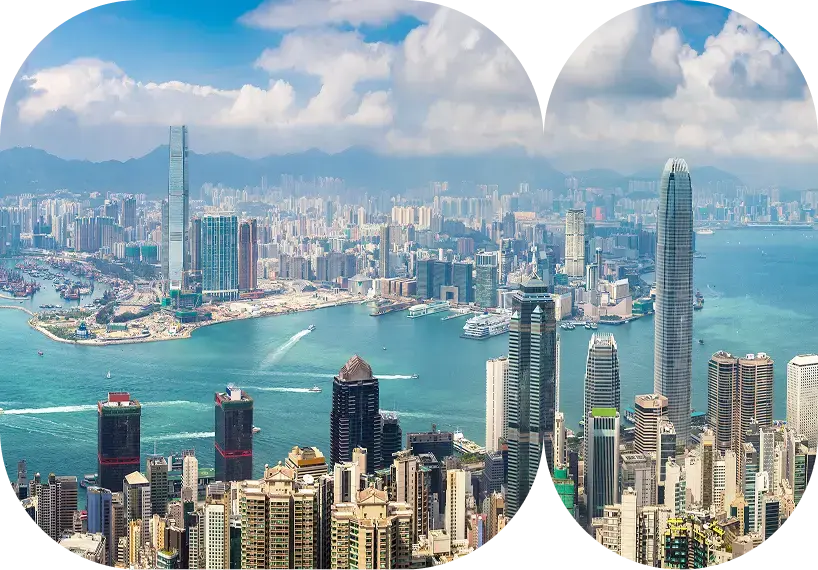
Beyond the exhibition hall
There is a question that often gets overlooked when companies prepare for a major maritime event. How do you reach the people who aren’t attending?
While tens of thousands of people may walk through the halls of Posidonia or SMM Hamburg, many more follow developments from elsewhere. They read maritime media, browse LinkedIn between meetings, subscribe to newsletters and increasingly use AI platforms such as ChatGPT, Perplexity and Claude to stay informed about developments in the industry. They may never set foot on the exhibition floor, but they are still potential customers, partners, investors and future employees.
In fact, some of your most important prospects may never visit your stand. The superintendent managing a fleet from an office in Singapore, the technical manager in Rotterdam, the charterer in Geneva or the investor in New York may all follow the conversations surrounding an event without attending it. If your communications strategy only focuses on the people physically present, you are missing a much larger audience.
That is why I increasingly encourage maritime companies to view Nor-Shipping, Sea Japan, SMM Hamburg and Singapore Maritime Week differently. Not as three-day exhibitions, but as anchor points within a broader communications strategy. The event itself is important, but the attention surrounding it is often even more valuable.
Visibility starts before the event
The mistake many companies make is treating communication as something that happens during the event. A few photographs are posted on LinkedIn, a press release is published and perhaps a short recap follows afterwards. Then everything goes quiet again.
Meanwhile, the companies that consistently build visibility are already working months in advance. They identify customer stories worth sharing, explore industry trends that deserve attention and think carefully about the messages they want to communicate. They reach out to journalists before the event starts and ensure that their announcements are timed to coincide with moments when the industry is paying attention.
As a result, the event becomes part of a larger story rather than an isolated activity. A customer case can be published several weeks before Posidonia. A partnership announcement can coincide with Singapore Maritime Week. A thought leadership article can be released during SMM Hamburg. Follow-up interviews, videos and customer stories can continue appearing for weeks afterwards. Suddenly, an event that lasts three days is generating visibility for three months.
From communication moments to communication strategy
This approach becomes even more powerful when it is combined with consistent communication throughout the year. Maritime events are incredibly valuable because they concentrate attention, but they only represent a few weeks on the calendar.
The strongest maritime brands don’t disappear between events. They remain visible by sharing project milestones, publishing customer stories, commenting on industry developments and contributing to industry discussions.
Not every update needs to be groundbreaking. In fact, most aren’t. The real value lies in consistency. Over time, individual stories create familiarity. Familiarity builds credibility. Credibility builds trust. And trust influences commercial decisions long before a contract is signed.
When customers already know who you are, an announcement at Posidonia or SMM Hamburg doesn’t introduce your company for the first time. Instead, it reinforces a story they have already been following. The event becomes an amplifier rather than a starting point.
Measuring what really matters
This is also why I believe companies should rethink how they measure the success of an event. Traditionally, the focus has been on meetings, leads and business cards collected. Those metrics remain important and always will. However, they don’t tell the whole story.
The more interesting questions often are askes afterwards.
• How many people discovered your company who weren’t attending the event?
• How many journalists engaged with your announcement?
• How much traffic did your website receive?
• How many prospects started following your company on LinkedIn?
• How many conversations continued after the exhibition halls had closed?
Those questions are becoming increasingly important because they measure something larger than the event itself. They measure visibility. And visibility, unlike an exhibition, doesn’t end when the doors close.
The long game
Ultimately, that is what maritime communications is about. Not simply being present when the industry gathers, but finding ways to remain visible when everyone returns home.
Events such as Posidonia, SMM Hamburg and Hong Kong Maritime Week provide unique opportunities because they bring together attention, relevance and reach. The companies that benefit most are usually the ones that understand that visibility is not built in a few days. It is built over months and years through a continuous flow of stories, insights, achievements and conversations.
Major maritime events simply provide moments when more people are listening than usual. The real opportunity lies in making sure they still remember you when the event is over.
What’s next?
In the next article, I’ll share how maritime companies can work with journalists and maritime media before an event starts, increasing the chances of meaningful coverage when the industry gathers.
Let’s continue the conversation

Frans Swarttouw
frans@marconic.com
I believe maritime companies have a much bigger opportunity to strengthen their digital visibility than many realise today.
With Marconic, we help shipping companies, maritime suppliers and offshore businesses distribute press releases into the right maritime media ecosystem while building long-term digital authority and discoverability.
Curious how that works in practice?
Feel free to reach out.
