
The Maritime PR Handbook
Marconic’s A to Z for Maritime Public Relations.
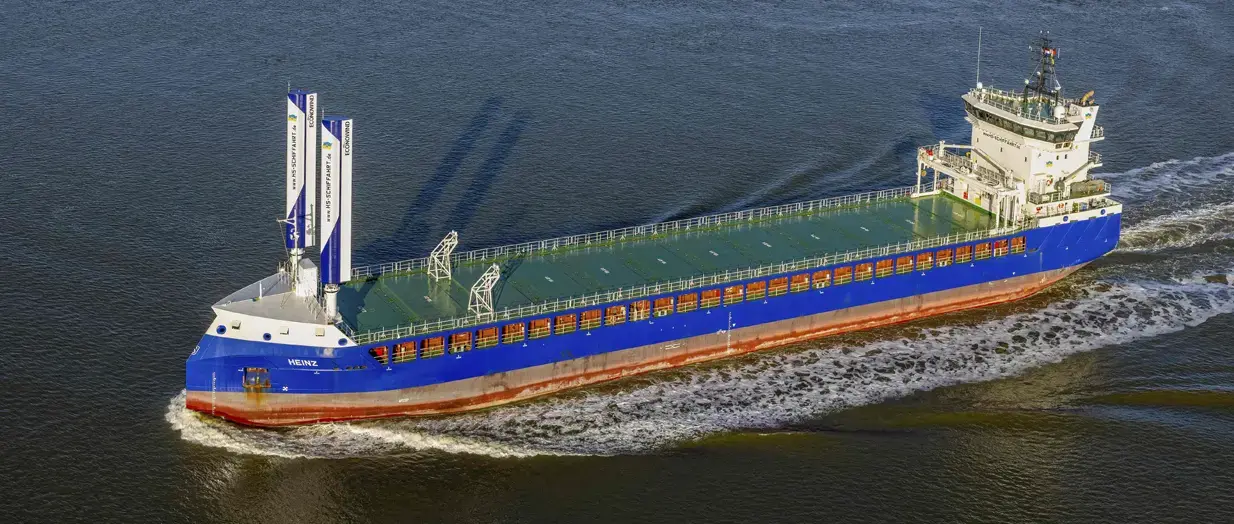
Not every maritime company has a marketing & communications department. Many marketing managers find themselves responsible for websites, exhibitions, LinkedIn, newsletters, customer stories and press releases, often all at the same time. Others wear several hats, combining marketing with sales or business development. And for many CEOs, marketing & communications simply becomes part of the job.
That’s exactly why the Marconic team has created a handbook. Not as another textbook on public relations. And certainly not as a collection of marketing jargon. Instead, this is a practical guide to the words, concepts and techniques that shape successful maritime communications today.
Some entries explain industry terminology. Others challenge common misconceptions. A few might even change the way you think about PR altogether. Whether you’re announcing a vessel delivery, preparing for SMM Hamburg, pitching to a journalist or wondering why your latest press release didn’t get picked up, you’ll find the answer somewhere below.
Let’s get started.
A = Angle
Every maritime company has news, but not everyone has a story. That’s the difference an angle makes. A vessel delivery isn’t news because another ship entered service. It’s news because it is the first methanol-ready vessel in its class. Or because it saves 20% fuel. Or because it introduces technology the market hasn’t seen before. Journalists don’t publish announcements. They publish stories.
B = Boilerplate
The least exciting paragraph in a press release is often the one that’s copied and pasted. That doesn’t mean it isn’t important. A good boilerplate tells journalists exactly who you are, what you do and why your company matters without sounding like an advertisement. If yours still says “leading provider of innovative solutions”, it’s time for an update.
C = Customer Story
The most persuasive marketing rarely comes from your own company. It comes from your customers. One successful project often generates more credibility than ten product brochures. The best customer stories don’t explain what you sell. They show what changed because someone chose you.
D = Distribution
Writing a great press release is only half the job and getting it in front of the right people is the other half. Many companies think distribution means sending an email to as many journalists as possible. Successful distribution is about relevance. At Marconic, we’ve spent years building a database of more than 750 maritime publications and over 2,000 journalists. But the numbers aren’t what matter most.
What matters is knowing which editor covers offshore wind. Which journalist follows ship finance. Which publication specialises in inland shipping or alternative fuels. Breadth gets your story in front of the market. Depth gets it published.
E = Embargo
Some stories deserve more than a press release sent at nine o’clock on a Tuesday morning. That’s where an embargo can make all the difference. Sharing a story with selected journalists before publication gives them time to prepare questions, conduct interviews and write a better article. It also creates the opportunity for more thoughtful coverage instead of simply reproducing a press release. An embargo is built on trust. Treat it with care.
F = Follow-up
Sending a press release is rarely the end of the conversation. In many cases, it’s only the beginning. Journalists receive hundreds of emails every week, so even the strongest story can arrive at exactly the wrong moment. A polite follow-up isn’t about asking whether someone received your email or chasing coverage. It’s an opportunity to add value.
Perhaps there’s another image available, a technical expert who can provide more context or a different angle that better suits the publication. The best follow-ups feel natural and helpful rather than persistent. In PR, relationships are built over time, and one thoughtful conversation is often far more valuable than sending another reminder to a crowded inbox.
G = Google News
Google News has become one of the first places where journalists, customers and industry professionals discover what’s happening in the maritime sector. If your company regularly appears there, you’re no longer just publishing news on your own website. You’re becoming part of the wider industry conversation.
That’s important because visibility no longer ends with Google Search. Stories published by trusted sources is increasingly surfaced across Google and AI-powered search experiences. A well-maintained newsroom and a steady flow of genuinely newsworthy content give your company a far better chance of being found, referenced and remembered.
H = Headlines
Your headline has one job: make someone want to read the next sentence. The strongest headlines explain what happened and why it matters without exaggerating or hiding the news. They avoid unnecessary adjectives, get straight to the point and immediately tell the reader why the story is relevant. If a journalist understands your story within seconds, your customers probably will too.
I = Interviews
An interview isn’t an opportunity to sell. It’s an opportunity to explain. The best interviews don’t come from perfectly rehearsed answers or corporate language. They come from people who know their subject, speak naturally and aren’t afraid to share an opinion or an insight. Preparation is important, but authenticity is what makes an interview memorable. Journalists are looking for expertise, not a marketing pitch, and the strongest conversations often feel exactly that: a conversation.
J = Journalists
Journalists don’t work for your company. They work for their readers and understanding that changes everything. They’re not looking for your next marketing campaigns or promotional messages. They’re looking for stories that are relevant, accurate and genuinely interesting to their audience. The companies they remember are the ones that respond quickly, provide reliable information and make the right experts available when needed. Strong relationships with journalists aren’t built through a single press release, but through trust, consistency and mutual respect over time.
K = Key Messages
Every company should be able to explain what it does, who it helps and why it’s different in a handful of clear messages. If every spokesperson gives a different answer, your communications become fragmented, and your positioning becomes unclear. Strong key messages create consistency across interviews, press releases, websites, LinkedIn, exhibitions and every other touchpoint. They don’t tell people everything about your company. They make sure people remember the things that matter most.
L = LinkedIn
Ten years ago, journalists visited company websites to find the latest news. Today, many of them also keep an eye on LinkedIn. So do customers, future employees and business partners. For maritime companies, LinkedIn has become the industry’s meeting place, where news is shared, opinions are formed, and expertise is recognised. Companies that consistently publish valuable insights remain visible between major announcements and gradually build authority within the industry.
M = Maritime Media
The maritime media landscape is unlike any other. From global shipping titles and offshore publications to port magazines, specialist newsletters and regional trade journals, each publication serves its own audience and has its own editorial focus. Understanding where your customers get their information is just as important as knowing which journalists are most likely to cover your story. After all, the best media coverage isn’t about reaching the biggest audience. It’s about reaching the right one.
N = Newsroom
Imagine a journalist wants to write about your company. Can they find everything they need within two minutes? A good newsroom contains your latest press releases, high-resolution photography, logos, company information, media contacts and background material in one place. The easier you make a journalist’s job, the greater the chance they’ll use your information accurately and include your company in the story.
O = Online presence
Your online presence is no longer defined by your website alone. Today, it’s increasingly shaped by what others say about your company. Google, ChatGPT, Gemini and other AI-powered search experiences rely on trusted third-party sources to determine which companies deserve to be found and recommended. That’s why modern maritime PR is about far more than generating media coverage. Every media mention, citation, backlink and interview contributes to your company’s online authority, strengthening both your SEO performance and your visibility across Generative Engine Optimisation (GEO) and Answer Engine Optimisation (AEO).
P = Photography
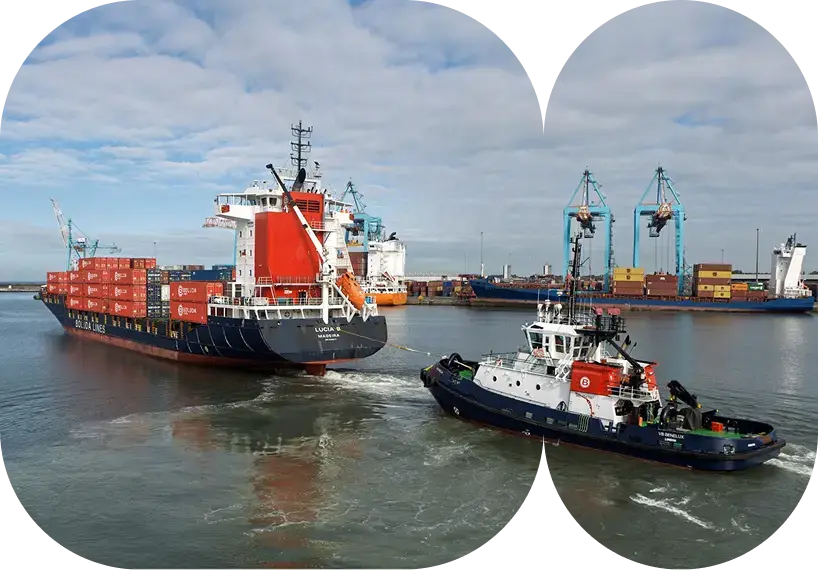
Words tell the story. Photography brings it to life. A strong image can be the difference between a journalist publishing your story or moving on to the next one. Whether it’s a vessel at sea, an installation project or a portrait of your CEO, professional photography adds credibility, captures attention and gives editors exactly what they need to tell the story.
Q = Quote
Most press release quotes repeat the headline. That’s a missed opportunity. A good quote explains why something matters, adds context or shares an opinion that only the spokesperson can provide. Most importantly, it should sound like something a real person would actually say. If your CEO wouldn’t say it in an interview, don’t include it in the press release.
R = Reach
Not all reach is created equal. One article in a respected maritime publication can generate more business than dozens of mentions on websites your customers never visit. The goal isn’t simply to reach more people. It’s to reach the right people, in the right publications, at the right time. In maritime PR, relevance almost always outweighs volume.
S = Spokesperson
Every spokesperson becomes the face of the company. The best spokespeople don’t rely on corporate language or memorised answers. They explain complex subjects clearly, answer questions honestly and speak with confidence because they know their subject inside out. People connect with people, not job titles, and authenticity will always leave a stronger impression than a perfectly rehearsed message.
T = Timing
The right story at the wrong moment can easily be overlooked. Industry exhibitions, public holidays, competing news and major market developments all influence whether your announcement gets the attention it deserves. Good timing isn’t about luck. It’s about understanding the news cycle and knowing when journalists are most likely to be looking for your story.
U = Unique Selling Proposition (USP)
Every maritime company believes it’s different. The challenge is proving it. A genuine USP isn’t a slogan or a clever tagline. It’s the clear reason why customers choose your company over the competition. The stronger and more distinctive your USP, the easier it becomes for journalists, customers and prospects to understand what sets you apart and why your story deserves attention.
V = Visibility
Visibility isn’t built overnight. It’s built one story at a time. The companies that lead industry conversations aren’t always those with the biggest marketing budgets. They’re the ones that communicate consistently, share valuable insights and remain visible long after the exhibition has ended or the vessel has been delivered. Visibility isn’t something you announce. It’s something you earn through trust, consistency and relevance.
W = Website Newsroom
Your website newsroom shouldn’t disappear after a press release is published. It should become the permanent home for your company’s story. Every press release, image, background article and media contact helps journalists find the information they need while strengthening your visibility in search engines and AI-powered search. A well-maintained newsroom isn’t just a media resource. It’s one of your company’s most valuable communications assets.
X = X factor
What’s yours? Some stories simply have it. They stand out because they’re surprising, timely or challenge the way people think. The X Factor isn’t something you invent. It’s something you recognise. Companies that consistently earn media attention know how to spot those moments and turn them into stories that people genuinely want to read.
Y = Year-round Communications
Visibility isn’t only created during Posidonia, SMM or Nor-Shipping. Those events simply amplify companies that have already been communicating throughout the year. The strongest maritime brands don’t disappear between exhibitions. They share customer stories, publish insights, comment on industry developments and continue the conversation long after the exhibition stand has been dismantled. Consistency builds recognition, and recognition builds trust.
Z = Zero-Click Visibility
People no longer discover companies the way they used to. Increasingly, they ask ChatGPT, search Google AI Overviews or use Perplexity, receiving the answer without ever visiting a website. That changes the role of maritime PR. Today, every press release, customer story, interview and media mention helps shape how your company is understood by both people and AI. Visibility is no longer just about earning clicks. It’s about becoming a trusted source that others quote, reference and recommend.
One final thought
Every company has news, but not every company has a story. The difference isn’t the size of your business, your marketing budget or the number of press releases you publish each year. It’s your ability to recognise what makes your company worth talking about and communicate it consistently. That’s what maritime PR is really about. The rest is simply execution.
The maritime communications landscape never stands still. Neither will this handbook. We’ll continue expanding it with new terms, fresh examples and practical insights, so be sure to check back regularly.
Let’s continue the conversation

Frans Swarttouw
frans@marconic.com
I believe maritime companies have a much bigger opportunity to strengthen their digital visibility than many realise today.
With Marconic, we help shipping companies, maritime suppliers and offshore businesses distribute press releases into the right maritime media ecosystem while building long-term digital authority and discoverability.
Curious how that works in practice?
Feel free to reach out.
